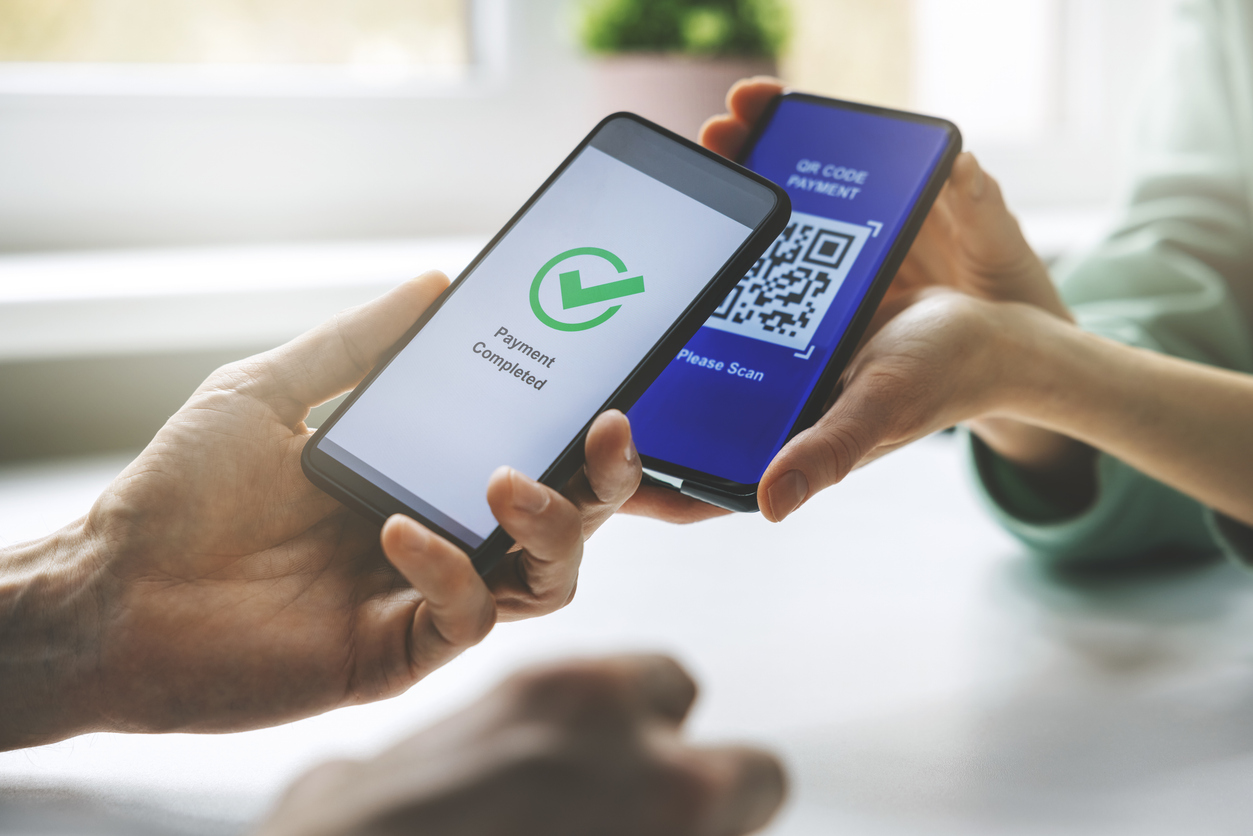

The gig economy has been a driving force for the adoption of real-time payments. This is how it is transforming the gig economy.


Paypal Mafia buy now pay later fintech the talk to the town having snagged the biggest e-commerce market in the world.
Certain customers will be able to use an Affirm pay later option at checkout, Amazon said in a press release.


As the sparkling firecracker news of acquisitions, plans, and partnerships in the BNPL space fizzle, oversight reporting has sprung up. A Credit Karma survey found that of those who used BNPL, more than half of the younger crowd missed at least one payment.


As of May 2022, the PIX system had roughly 118 million users, 56% of Brazil's population.

Pay Near Me has found adults aged 18-29 are more likely to pay their bills late. By asking why, their survey unveiled the next big opportunity for bill payments.