

To best serve the payment needs of different emerging markets, a company must have a local presence to understand each one’s unique traits.
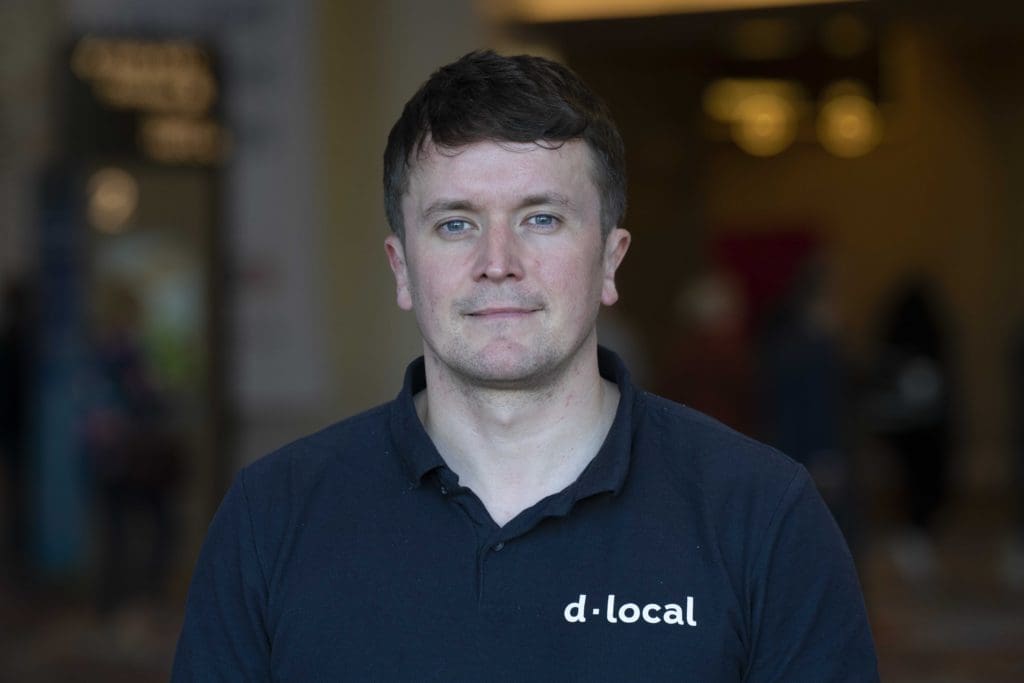
It also helps if you were founded in an emerging market like dLocal. After starting in Uruguay, it expanded to APAC, the Middle East, North Africa, and across LatAm, its SVP and head of commercial John O’Brien said. dLocal’s sole focus is emerging markets.
Services begin with payment instruments for countries like India, Nigeria, Bangladesh, and Brazil. dLocal also expatriates funds into more liquid currencies customers most want, such as dollars, sterling, and euros. The final step is facilitating disbursements.
O’Brien said that many primary payment facilitators focus on the most important markets and can’t be bothered with emerging ones. And if they do, some offer a one-size-fits-all approach.
Successful emerging market plays need local knowledge
A local presence is essential for companies shipping physical goods, but few have significant volumes in many markets, O’Brien said. That means they won’t often use local payment solutions, instead opting for cards that are eligible for international payments, methods that are often severely restricted.
So when it comes time to make cross-border payments, they are likely headed to institutions based in the UK or North America. That means sending in dollars, which are highly restricted in many markets.
“On a cross-border basis, in some of these markets, two of every 10 transactions get approved, but if you’re processing it locally, you have eight or nine out of every 10 getting approved,” O’Brien said.
While there are apparent differences between emerging markets, some of the problems they face are the same. No matter where they live, folks love Amazon and Netflix.
Also read:
Recurring themes, customization, central banks: some trends
“Some of the problems we initially solved, in Brazil and Argentina and other markets, we’re seeing the behavior that we initially saw six or seven years ago reoccurring in Africa,” O’Brien said. “All of the things we’re seeing playing out in Nigeria now are very similar trends in Southeast Asia.”
Meeting those needs begins with a company establishing its presence in a new market. dLocal hires local personnel but teams them with experienced staff who’ve helped establish the company in other markets. That allows them to bring what’s similar to past campaigns and combine it with realities on the ground.
In Kenya, M-Pesa doesn’t require an internet connection; it’s SMS-based, O’Brien said. Many East Africans use it as a de facto bank account. They visit a mobile money kiosk, deposit cash, and then transact from their phones.
“A lot of these people will be very willing to use the services; you just have to customize them,” O’Brien added. “We’re learning that from being on the ground, meeting those people, and doing the work.”
One trend O’Brien has noticed is the increased influence of central banks. It started in India when the Reserve Bank of India enabled the Unified Payments Interface that originated with Paytm—seeing how successful Paytm was, the government created UPI. Google, Amazon, and several local companies have built their payment systems on top of it. Brazil is talking to Colombia about replicating Pix Brasil there.
Some unique characteristics of emerging markets
Emerging markets function differently for some clear reasons, O’Brien noted. Whereas European fintech use cases often revolved around consumer protection regulations, emerging markets look to China. Seeing the emergence of Alipay and WeChat Pay, they want to build similar networks that have real value and democratize service.
Rabid inflation in some markets hasn’t curbed innovation, O’Brien said. Locals are resilient and figure out ways to buy what they want. There remain voracious appetites for Google and Netflix, with companies surprised at the sales figures. Many upper-middle and high-income earners pay in dollars too.
“In our view, they often grossly underestimate the size of the opportunity there, and then they’re often quite surprised when they launch,” O’Brien said.
Many emerging economies eschew card-based payment systems too. Parts of Southeast Asia and Africa are primarily cash-based. Wallets predominate in other parts of Southeast Asia and APAC. Mobile systems in Africa were designed for folks with mobile phones and limited connectivity.
Coming changes
Changes are coming, O’Brien added. Titans like Google and Amazon are investing in infrastructure in emerging markets. Starlink connections will dramatically improve internet speeds.
Population trends are behind this activity, he explained. Countries like Nigeria will grow, and many will migrate around the world. They take their payment preferences with them. Just like stores in London offer Chinese payment methods, they’ll also provide popular methods for Nigerian and Ghanaian travelers and students in the coming decades.
While tokenization is a standard process, the reasons it is deployed differ worldwide, O’Brien said. dLocal can tokenize non-card payments popular in many areas dominated by one-time payments. Contrast that with Europe and North America, where minimizing threats from chargebacks and fraud is essential.
“A number of these other payment methods have a form of two-factor authentication that you have to do anyway,” O’Brien said. “The chargeback level, the fraud level on those payment instruments are extraordinarily low.
“If you think about (some LATAM systems), you could tokenize them, but the truth is if you haven’t paid within two days from the voucher online, you’re never going to pay based on the data that we see. So tokenizing that has such minimum utility to us.”
O’Brien said there’s no substitute for legwork when planning a new market entry. Meet with regulators and providers to explain the business model. Describe your work in different countries and draw parallels. Ask what licenses are required and offer to begin the process immediately. If that takes time, inquire about sandbox programs.
One final trend O’Brien sees is the increasing attention devoted to regulating fintech companies. The European approach and sandboxes in developing countries could soon be more widespread.
“We feel well-equipped to do it because we’re in 39 markets now,” O’Brien concluded.
