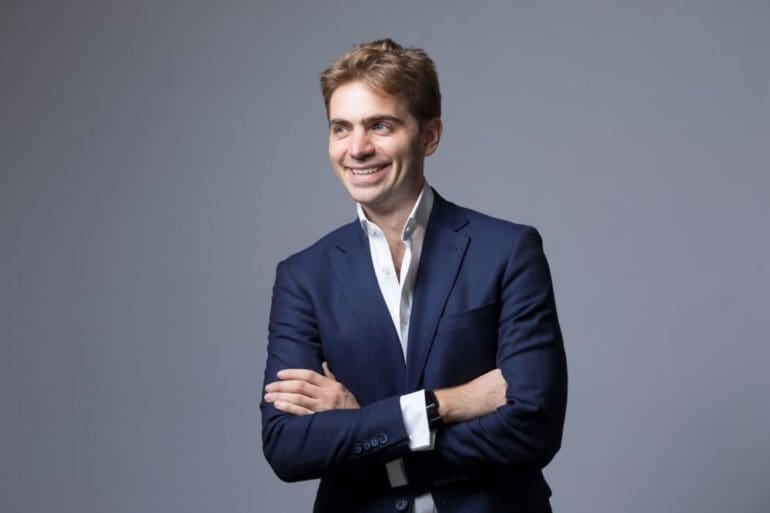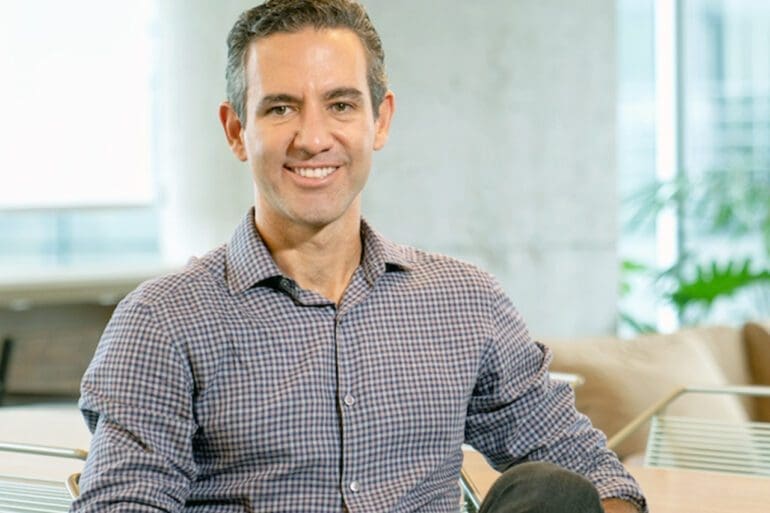
David Velez founded Nubank in 2013 with the idea of taking on big banks in Brazil and leveraging technology to change how financial products are served in the country radically.

Mercado Libre has seen great success in providing financing to millions of people who struggled to obtain it through traditional lenders.
Credijusto, a leading Mexican small business fintech paid $50 million to buy Banco Finterra in June. Co-CEO David Poritz wrapped day one of the LendIt LatAm keynote section, discussing what it was like as the only neobank holding a banking license in Mexico.
Just before lunch, after a morning of fireside chats at LendIt Fintech LatAm, was the heavy hitter Pierpaolo Barbieri, CEO, and founder of Ualá.
LatAm fintechs have a massive advantage over traditional financial companies: a lack of a robust, cost-heavy physical infrastructure that thwarts cross-border expansion.
While in the past new fintechs would grow to the point that a bank acquired them, it is becoming more and more the case that fintechs are the ones doing the shopping.
Risk management strategies can go a long way in proactively reducing risk to an acceptable level, improving operational efficiency.
Flow Networks helps connect the world's biggest payment systems to the consumer at the moment of payment. They use that period to connect with customers via gamification in ways that build retention.
Financial services companies must reckon with a consumer base that is hurting and anxious about what’s coming next and ask: How do we transition from temporary relief to a more permanent financial recovery?
It turns out, like many Central American countries, Guatemala is a hot market for fintech, with a GDP of $77.6 billion in 2020, making it the second-largest economy in Central America and the Caribbean.